
Fattening cows requires a combination of energy, protein, fiber, vitamins, and minerals, along with good management practices. Proper nutrition ensures rapid weight gain, improves meat quality, and keeps your cows healthy.
1. Energy-Rich Feeds (Carbohydrates & Fats)
Energy is the main driver for weight gain because it fuels growth and fat deposition. Cows that don’t get enough energy will burn body reserves instead of gaining weight.
Common Energy Sources:
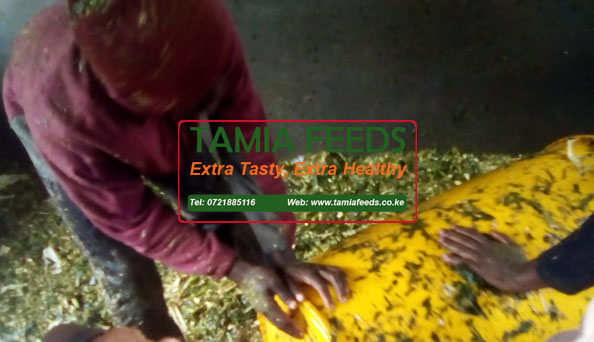
- Maize (corn) silage – High in carbohydrates; easily digestible. Silage should be chopped finely and fermented properly to maximize nutrient availability.
- Maize grains / corn meal – Excellent for rapid weight gain; can be fed dry or mixed with other feeds.
- Molasses – Provides sugar for energy and improves the taste of other feed components. It can also reduce feed dustiness.
- Barley, wheat, and rice bran – Good energy supplements; rice bran also provides moderate protein.
- Fruits and vegetables – Banana peels, pumpkins, and other high-sugar crops; feed in moderation.
Feeding Tip: Energy feeds should form a significant portion of the diet (40–60%) for fattening cows. Always introduce grains gradually to prevent digestive upset.
2. Protein-Rich Feeds (Muscle Development)
Protein is essential for muscle growth, body repair, and overall development. Without adequate protein, cows will not efficiently convert energy into weight.
Sources of Protein:
- Legume hay – Lucerne (alfalfa), clover, and vetch hay are highly digestible and rich in protein.
- Oilseed cakes – Soybean cake, sunflower cake, cottonseed cake, and groundnut (peanut) cake. These are excellent for high protein intake.
- Rice bran – Contains moderate protein; can be combined with other energy feeds.
- Fish meal (optional) – Highly digestible and rich in essential amino acids.
Feeding Tip: Protein feeds should make up 20–30% of the total feed for fattening. Overfeeding protein without enough energy can waste nutrients and increase costs.
3. Fiber and Roughage (Rumen Health)
Roughage maintains healthy rumen function, promotes chewing, saliva production, and ensures proper digestion of concentrated feeds. Fiber also prevents digestive disorders like acidosis.
Sources of Fiber:
- Grass hay – Rhodes, Napier, and Brachiaria are ideal. Good quality hay is green, leafy, and free from mold.
- Crop residues / straws – Maize stalks, wheat straw, and rice straw. Straw is low in energy; supplement with molasses or grains.
- Silage – Grass, maize, or legume silage provides fiber and moisture for proper digestion.
Feeding Tip: Roughage should be at least 40% of the total diet. Always provide enough fiber to keep cows chewing and ruminating.
4. Minerals and Vitamins (Growth & Immunity)
Cows require minerals and vitamins for bone growth, immune function, reproduction, and overall health. Deficiencies can slow weight gain and cause health problems.
Key Minerals and Vitamins:
- Salt blocks / mineral blocks – Provide sodium, iodine, and trace minerals.
- Calcium sources – Crushed bones, limestone, or commercial calcium supplements.
- Phosphorus sources – Dicalcium phosphate or bone meal.
- Commercial mineral premixes – Ensure a balanced intake of all essential micro and macro nutrients.
- Vitamins – Vitamin A, D, and E are vital for growth and immunity. Can be supplied through supplements or green fodder.
Feeding Tip: Always provide free access to mineral blocks alongside other feeds.
5. Water (Essential for Weight Gain)
Water is critical for all metabolic processes and feed conversion. A cow that lacks water will eat less and gain weight slowly.
Provide clean, fresh water at all times.
The daily water intake can range from 50–100 liters depending on cow size, feed type, and climate.
During hot weather, water needs increase significantly.
6. Feeding Strategy for Fattening Cows
Feed Composition:
- 40–60% energy feeds (grains, silage, molasses)
- 20–30% protein sources (legume hay, oilseed cakes)
- 20–30% fiber / roughage (hay, grass, silage)
Daily Feed Quantity:
- Feed 2–3% of body weight in dry matter daily.
- Adjust quantities based on body condition and weight gain goals.
Feed Frequency:
- Feed 2–3 times daily.
- Ensure consistent timing to encourage steady intake and rumen activity.
Gradual Introduction:
- Introduce new feeds slowly over 1–2 weeks.
- Sudden changes can cause bloating, diarrhea, or reduced intake.
Monitoring:
- Check body condition weekly.
- Monitor health signs such as rumination, feces quality, and coat condition.
- Adjust feed mix if weight gain is slow or if there are digestive problems.
Additional Tips:
- Mix molasses with roughage to increase palatability.
- Use fermented feeds (silage) to improve digestibility.
- Avoid overfeeding grains to prevent acidosis or bloating.
- Keep feeding equipment and troughs clean to prevent infections.
7. Sample Feeding Plan for One Cow (Per Day)
| Feed Type | Quantity (kg) | Notes |
| Maize silage | 15–20 | Chopped and fermented |
| Napier grass / Brachiaria hay | 5-10 | Green and leafy |
| Sunflower / cottonseed cake | 1-2 | Protein source |
| Maize grain / corn meal | 2-3 | Supplement for energy |
| Molasses | 0.5-1 | Mix with silage or hay |
| Mineral block | Free Access | Ensure rumen health and growth |
| Water | 50-100 litres | Always available |
Adjust quantities based on cow size, age, and weight gain targets.
Conclusion
Fattening your cow successfully requires a balanced diet of energy, protein, fiber, vitamins, and minerals, along with clean water and proper feeding practices. By providing the right mix of feeds and monitoring cow health, you can achieve rapid weight gain, improved meat quality, and healthy cows.
feeds for fattening your cow in kenya, cattle fattening feeds in kenya, best feed for fattening cows in kenya, high energy cattle fattening feed in kenya, maize silage for fattening cows in kenya, corn silage for beef cattle in kenya, hay for fattening cows in kenya, dairy cow fattening feed in kenya, protein rich cattle feed in kenya, balanced ration for fattening cows in kenya, livestock fattening nutrition in kenya, commercial cattle fattening feed in kenya, affordable cattle fattening feed in kenya, bulk cattle feed in kenya, feed for fattening your goats in kenya, goat fattening feeds in kenya, best feed for fattening goats in kenya, high protein goat feed in kenya, maize bran for goat fattening in kenya, hay for goat fattening in kenya, silage for goat feeding in kenya, balanced goat fattening ration in kenya, goat nutrition for weight gain in kenya, commercial goat fattening in kenya, affordable goat feed in kenya, bulk goat feed in kenya, feeds for fattening your bull in kenya, bull fattening feeds in kenya, best feed for fattening bulls in kenya, beef bull fattening feed in kenya, high energy feed for bulls in kenya, maize silage for bull fattening in kenya, hay for bull fattening in kenya, protein rich feed for bulls in kenya, balanced bull fattening ration in kenya, feed for beef production in kenya, livestock weight gain feed in kenya, animal growth feed in kenya, fast weight gain livestock feed in kenya, farm animal fattening solutions in kenya, dairy to beef fattening feed in kenya, zero grazing fattening feed in kenya, forage based fattening system in kenya, silage feeding for fattening in kenya, hay feeding for fattening livestock in kenya, concentrate feed for fattening in kenya, energy rich livestock feed in kenya, cost effective fattening feed in kenya, agribusiness livestock fattening in kenya, profitable cattle farming in kenya, profitable goat farming in kenya, profitable bull fattening in kenya, improved livestock productivity in kenya, beef production feed in kenya, farm feed management in kenya, animal nutrition for fattening in kenya, livestock feed optimization in kenya, modern livestock fattening practices in kenya, climate smart livestock fattening in kenya, quality feed for weight gain in kenya, feed conversion efficiency in fattening in kenya, improved herd growth in kenya
Add Comment